
Essential Road Signs Every Learner Should Know
Shape and Colour Tell You What to Do
Most learners try to memorise road signs as a long list of pictures. That is hard work, and it falls apart the moment you meet a sign you have not seen before. A much better approach is to learn the system underneath. Once you understand why signs look the way they do, you can work out an unfamiliar one in a split second — which is exactly the time you have on a wet Tuesday morning on a busy A-road.
Almost every sign you meet follows a few simple rules:
- Triangles warn you. Red border, white background, black symbol. Something is coming that needs your attention.
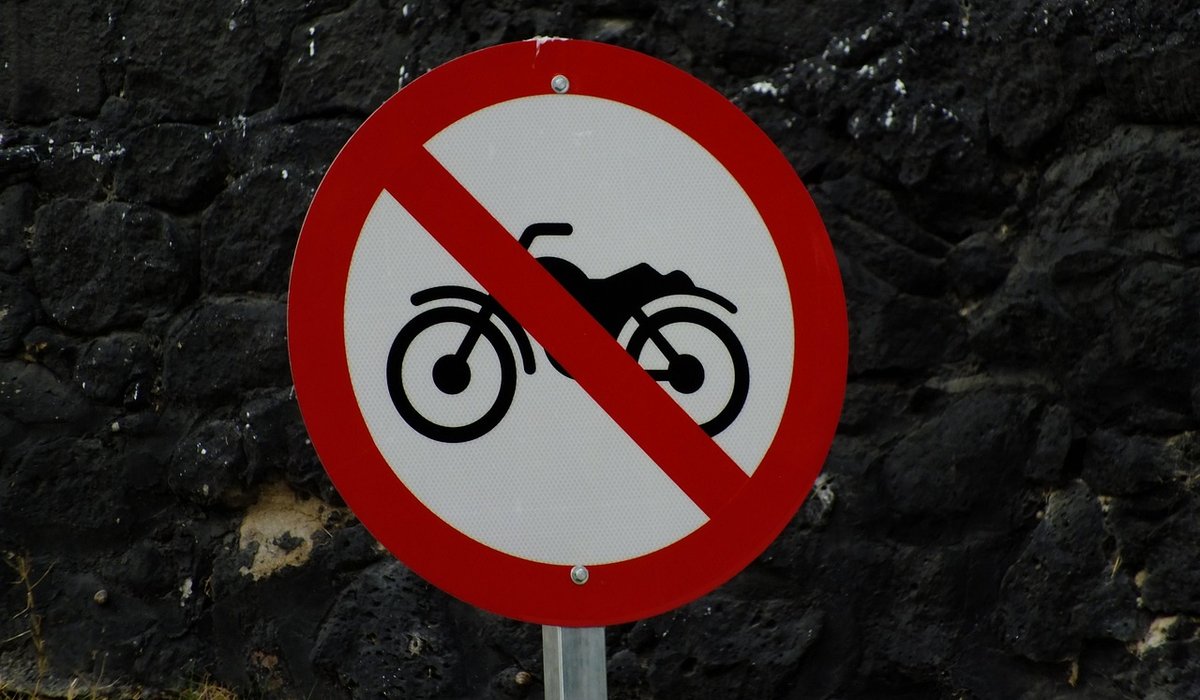
- Circles give orders. A red ring means you must not do something. A blue circle means you must do something.
- Rectangles inform. Directions, lanes, services, tourist attractions, and the layout of junctions ahead.
- Two special shapes stand alone: the octagon for STOP and the upside-down triangle for GIVE WAY. Nothing else uses those shapes, so you can recognise them from the far side of a junction.
Colour adds another layer. Green rectangles mark primary routes, blue rectangles mark motorways and general information, and brown ones point to places of interest. If you are ever unsure where you are, the colour of the signs will usually tell you.
Triangles: Warnings to Act On Early
Warning signs are your early warning system. They are placed in advance of the hazard precisely so you can adjust your speed and position before you reach it, not as you arrive. The most common ones you will meet on lessons include:
- Bend ahead and double bend — slow down before the bend, not in it.
- Slippery road — a black car with wavy skid marks. Reduce speed gently and avoid sudden braking or steering.
- School — two children running. Expect children, parked cars and a 20 mph zone at opening and closing times.
- Traffic signals ahead — be ready to stop, even if the lights are green when you first see them.
- Narrow bridge and road narrows — check your position and be prepared to give way.
- Level crossing with or without barrier — treat every crossing with respect, and never stop on the tracks.
Warning signs often have a small rectangular plate underneath giving a distance, a length of road affected, or the nature of the hazard. Read those plates; they change how you should respond.
Circles: Orders You Must Obey
Circular signs are legal instructions, and ignoring one can cost you a fine as well as marks on your test. Learn the split clearly:
- Red ring, white background — you must not do what is shown. A red circle with a white horizontal bar means no entry; a circle with a black car and motorcycle means no motor vehicles.
- Blue circle, white symbol — you must do what is shown. Keep left, turn left ahead, mini-roundabout, and route for pedestrians only are all blue circles.
- Blue circle with a red border and one red diagonal line — no parking. Two red lines on the road mean no waiting at any time.
Speed limits sit in this family too. A white circle with a red ring and a black number tells you the maximum permitted speed. A white circle with a single black diagonal stripe means the national speed limit applies — usually 60 mph on a single carriageway and 70 mph on a dual carriageway for a car. There is also a blue circle with white numerals for a minimum speed, which you will rarely meet but must recognise.
Rectangles: Information, Directions and Motorways
Rectangular signs do not usually give orders; they help you plan. Blue rectangles on a motorway show lane destinations and exit information. Green rectangles do the same job on primary routes. White rectangles with black borders give local directions and often appear just before a junction, so glance at them early rather than reading them as you turn.
Motorway signs also carry the familiar blue-and-white motorway symbol, marking the start of motorway regulations. That matters because the rules change: no learners, no pedestrians, no cyclists, and a higher speed limit for most vehicles.
Signs That Catch Learners Out
A few signs trip up even confident pupils, usually because they are seen so rarely that they are forgotten between lessons.
- Give Way versus Stop. Give Way means slow down and give priority if needed. Stop means a complete halt at the line, every single time, whatever the road looks like.
- No through road. It looks like a dead end but may still have a turning point, a school or a footpath. Do not assume you can simply reverse out.
- Supplementary plates. A blue circle with a time plate beneath it might only apply during certain hours. The plate is part of the sign.
- Temporary signs. Yellow backgrounds mean roadworks or a temporary restriction. They override what the permanent signs say.
How to Learn Signs So They Stick
Reading a list once will not do it. Signs need to become automatic, and the way to get there is regular, active practice.
- Group signs by shape and colour rather than alphabetically. Your brain stores patterns far better than isolated facts.
- Use the hazard perception and theory question banks, but talk through your answers out loud. Saying "red triangle, so it warns me" builds the habit you need on the road.
- On every lesson, call out the signs your instructor passes before they ask. It trains you to scan well ahead, which is where good observation starts.
- When you meet a sign you do not recognise, ask about it at the next safe stop and write it down. Ten minutes reviewing your own notes beats an hour of scrolling.
Get into the habit of reading signs early and reacting smoothly, and you will find junctions, speed changes and hazards stop taking you by surprise. That calm, unhurried style is exactly what examiners — and other road users — like to see.
tag: Theory Help

Oliver Clarke Author
Learn how speed limits work in built-up areas, rural roads, and motorways, plus how to recognise changing restrictions clearly.
YOU MAY ALSO LIKE

Understanding Speed Limits on UK Roads
Aug 1
10Understand how to approach zebra, pelican, and toucan crossings, giving way correctly and keeping pedestrians safe at all times.
read more
How to Deal With Pedestrian Crossings Correctly
Jul 29
10Practical tips for passing cyclists safely, checking blind spots, and allowing enough room when overtaking on busy or narrow roads.
read moreLearner Basics
-

ERRIC CATONA
Adjust your driving for rain, standing water, and poor visibility by slowing down and increasing the distance from the car ahead.
May 19, 2016 at 5.12 pm
Reply
ERRIC CATONA
Prepare your car and driving style for frost, ice, and low temperatures, reducing the risks of skidding and breakdowns.
May 19, 2016 at 5.12 pm
Reply -
ERRIC CATONA
A simple checklist covering tyres, lights, fluids, and mirrors to help you stay safe and avoid preventable problems on the road.
May 19, 2016 at 5.12 pm
Reply
Driving Skills
Your email address will not be published.